
Lagarde says the US president’s latest move risks upsetting a hard‑won equilibrium.
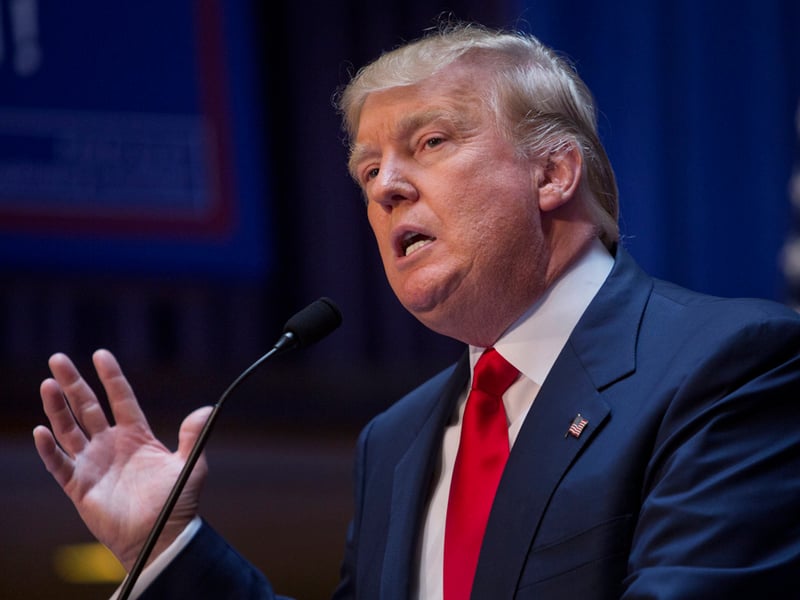
President Trump’s decision to lift a new global tariff from 10% to 15% just one day after a Supreme Court defeat has jolted US–EU relations and reopened a policy front that many investors hoped was closing.
The move, announced in a social‑media post and implemented under Section 122 of the 1974 Trade Act, comes after the court struck down Trump’s earlier, wide‑ranging levies imposed under emergency powers. But with the temporary nature of these tariffs, limited to just 150 days, it creates further trade and market uncertainty.
Over the weekend, European policymakers responded with unusually sharp language. According to Reuters reporting from Brussels, the European Commission has stressed that “a deal is a deal,” insisting Washington must honor last year’s transatlantic agreement that locked in a 15% US tariff on most EU exports alongside concessions on US goods. While the figure is the same as Trump’s latest, the EU pointed specifically to the terms of the agreement.
“As the United States' largest trading partner, the EU expects the US to honour its commitments set out in the Joint Statement - just as the EU stands by its commitments," the EU Commission insisted in a statement.
The European Parliament is being urged by some lawmakers to delay a scheduled vote on the agreement, calling the situation “pure tariff chaos” and arguing that the terms and legal foundation have changed.
European officials have also begun to point to their own toolkit. The Financial Times reports that France’s trade minister has highlighted the EU’s Anti‑Coercion Instrument and a sizeable package of potential retaliatory tariffs that could be activated if Brussels judges the US to be breaching its commitments.
European Central Bank president Christine Lagarde has emerged as one of the clearest voices linking the tariff shock to broader macro risks. In an interview on CBS’s “Face the Nation,” Lagarde said recent US moves threaten the “equilibrium” forged by last year’s trade arrangement and could become a fresh headwind for both economies.
For equity and multi‑asset portfolios, the combination of a hard tariff deadline, possible EU retaliation, and lingering legal overhang raises the odds of repeated bursts of volatility rather than a single, one‑off adjustment.


