
Governor outlines a push for greater transparency in bank supervision and capital rules, signaling potential impacts for lending conditions, financial markets and investor stability.
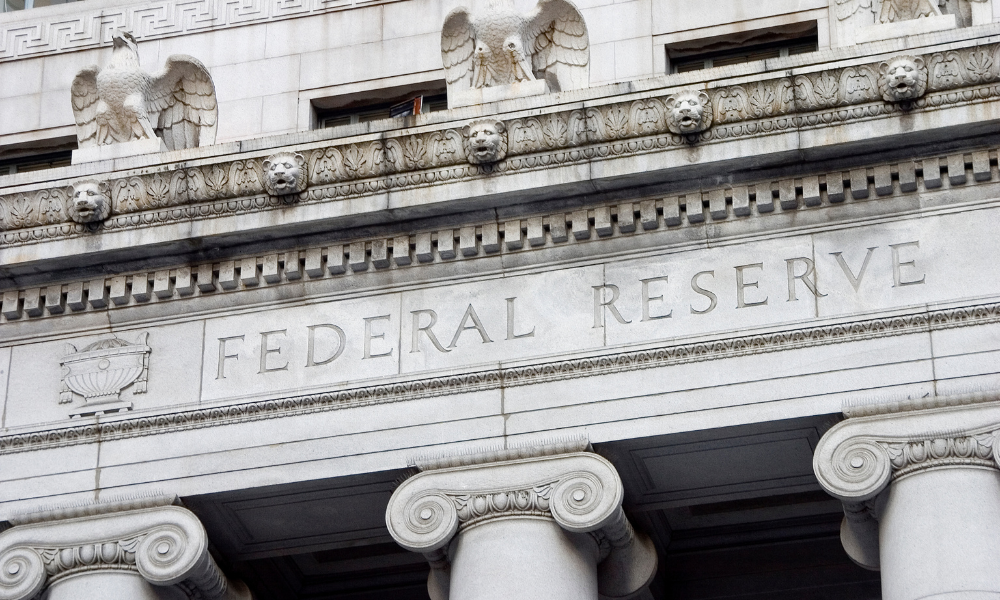
Federal Reserve Governor Michelle Bowman signaled a push toward greater transparency and predictability in bank supervision Thursday, outlining priorities that could influence lending conditions, financial markets and investor confidence well beyond the banking sector.
Speaking at the Federal Reserve’s Banking Outlook Conference, Bowman said regulators are working to make supervisory processes clearer and more consistent, particularly around stress testing and capital requirements.
A key focus of Bowman’s remarks was improving visibility into the Fed’s annual stress-testing program, which determines how much capital the largest banks must hold to withstand economic shocks: “The goal is to ensure that stress testing remains rigorous while also improving transparency and reducing unnecessary volatility,” Bowman said.
Stress tests play a central role in shaping bank behavior. Capital requirements can affect shareholder payouts, lending activity and investor sentiment toward financial stocks. Sudden regulatory changes have historically triggered market swings when banks adjust buybacks or lending strategies.
More advance disclosure about supervisory models and economic scenarios could allow markets to anticipate outcomes more gradually, reducing the risk of abrupt reactions tied to regulatory surprises.
Bowman also emphasized a supervisory philosophy centered on traditional financial risks, including capital strength, liquidity management and credit exposure.
She argued that supervision should remain focused on factors directly tied to bank resilience, a stance that suggests regulators may be seeking clearer limits around oversight priorities after several years of expanding policy debates.
Although Bowman did not announce new rulemaking proposals, her comments reinforced ongoing discussions about recalibrating capital standards that govern how banks participate in lending markets.
She recently spoke about the reduced participation of banks in the mortgage lending market and added to that in these latest comments.
Capital rules can influence mortgage availability and refinancing activity, both major drivers of household wealth in the United States. Housing equity remains a primary asset for many retirees and affluent investors, making credit conditions a frequent topic in adviser-client conversations.
If regulatory adjustments ultimately encourage greater bank participation in lending, advisers could see broader economic effects through housing turnover, consumer spending and cyclical investment sectors.
Another recurring theme in Bowman’s speech was the importance of advance communication and stakeholder input before supervisory changes are implemented.
“Predictability and transparency strengthen the effectiveness of supervision,” she said.
Regulatory stability can be as important to markets as the substance of new rules. Abrupt policy shifts can introduce volatility into bank equities and credit markets, while clearer timelines allow investors to adjust expectations gradually.
Bowman framed her broader approach around maintaining financial system resilience without unnecessarily constraining economic activity.
Banks serve as primary intermediaries for credit creation, and supervisory decisions influence how readily capital reaches households and businesses. Stable lending conditions can help support borrowing during economic slowdowns, affecting everything from mortgage financing to small-business expansion.
Although supervisory speeches rarely move markets immediately, Bowman’s remarks come as investors closely monitor regulatory direction following several years of banking-sector stress and debate over capital reforms.
Financial stocks remain sensitive to policy expectations, and institutional investors increasingly factor regulatory risk into portfolio decisions.
Greater clarity around supervisory models and future rulemaking could reduce uncertainty premiums embedded in bank valuations and support more predictable dividend outlooks.
Bowman’s message may ultimately be less about a specific rule change than about tone. A more transparent supervisory framework could mean fewer unexpected regulatory shocks — and steadier credit access for households and businesses navigating an uncertain economic environment.


